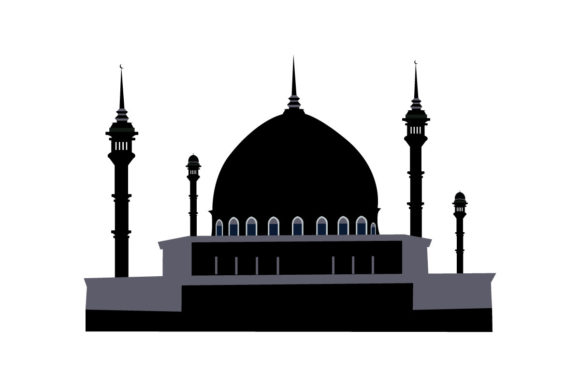
Modern Linear Style Illustrations: Clean Design Assets
The Essence of Minimalist Mosque Vector Art
When you are building a brand identity or creating a marketing campaign, the style of your imagery matters just as much as your typography. Modern Linear Style Illustrations represent a specific aesthetic that prioritizes clarity and structure. This style relies on consistent stroke weights and geometric forms to create recognizable symbols. In the context of the Mosque Vector collection, this approach transforms a complex architectural subject into a clean, scalable icon. The visual personality of these assets is professional, contemporary, and versatile. Unlike detailed realistic drawings, linear illustrations use negative space to define the shape, making them instantly readable at both large and small sizes.
The appeal of this style lies in its ability to communicate without visual noise. For designers and entrepreneurs, using a Mosque glyph icon or a silhouette symbol in this linear style ensures that the graphic integrates seamlessly into modern layouts. Whether you are working on web design or packaging design, the lack of excessive detail allows the icon to function as a supporting element rather than a distraction. This specific set of Islamic culture illustrations captures the essence of the Muslim worship place through simplified geometry, making it suitable for secular and religious contexts alike where elegance is required.
Practical Applications for Branding and Marketing
Choosing the right design assets is about matching the tool to the task. Modern Linear Style Illustrations are particularly effective for specific types of projects. Because they are vector-based, they scale infinitely without losing quality. This makes them ideal for large-format printing or high-resolution screens.
Here are realistic scenarios where these assets provide real value:
- Editorial Design: When designing a magazine layout or a blog post header regarding architecture or culture, a linear mosque vector adds a sophisticated touch without clashing with body text or headlines.
- Social Media Graphics: On platforms like Instagram or LinkedIn, clarity is king. A clean Mosque glyph icon works well as a profile picture or a sticker in Stories because it remains recognizable even in a tiny circular crop.
- Logo Design: If you are creating a brand identity for a travel agency, a cultural foundation, or a community center, these linear forms can serve as the foundation for a custom logo. The modern typography trend favors these flat, geometric shapes over complex crests or emblems.
- Event Invitations: For digital or print invitations related to cultural events or religious observances, the silhouette symbol offers a respectful yet modern aesthetic.
As a creative font or graphic asset, the goal is to enhance the message. These illustrations do exactly that by providing a visual shorthand for the subject matter. They act as premium font companions, giving your layout the professional polish required to stand out in a crowded market.
Technical Workflow: Managing Vector EPS Files
Working with professional-grade assets requires the right tools and knowledge. You might wonder, how can you open & edit a vector EPS file? The short answer is that you need Adobe Illustrator to edit vector EPS files effectively. While other software might open the file, Illustrator is the industry standard for handling the complex data often found in professional vectors.
When you download this package, you receive a ZIP file containing multiple formats: an Adobe Illustrator Ai File, a Vector EPS File, an SVG File, and JPEG/PNG previews. Understanding how to handle these is crucial for a smooth workflow.
Files may contain transparencies, clipping masks, meshes, gradients, blends, and objects in blend mode. While these features create visual depth, they can sometimes cause issues if you are sending files to a print shop that uses older software. It is a standard industry practice that texts were converted into curves (outlines). This means you cannot edit the spelling of any text within the icon (though these are primarily shapes, not words), but it also ensures that the file will look identical on any computer, regardless of the fonts installed.
Tips for Using the Assets
- Color Customization: Since these are vectors, you can easily change the color of the Mosque Vector to match your specific brand identity. Simply select the paths in Illustrator and apply your brand's hex codes.
- Isolation: The negative space in these designs is intentional. Avoid crowding the icon with other elements. Let the silhouette breathe to maintain that modern, clean look.
- Format Selection: Use the SVG File for web projects as it keeps file sizes low and renders crisply on retina displays. Use the EPS or AI files for print projects to ensure the highest resolution.
Strategic Impact on Audience Engagement
Visual consistency builds trust. When you use high-quality design assets like Modern Linear Style Illustrations, you signal to your audience that you pay attention to details. In the world of small business owners and marketers, first impressions are often visual. A pixelated or outdated graphic can make a brand look unprofessional, whereas a crisp, modern vector icon elevates the perception of the entire project.
Consider the psychological impact on your viewer. A clean, geometric representation of a Muslim worship place suggests order, peace, and stability. This aligns well with organizations that want to project a calm and reliable image. Furthermore, using consistent illustration styles across your social media graphics, website, and print materials creates a cohesive ecosystem. This consistency helps with brand recognition; your audience will start to associate that specific visual style with your content before they even read the headline.
Ultimately, the goal of any visual asset is to facilitate communication. Whether you are a blogger writing about architecture, a publisher producing educational materials, or a crafter designing custom merchandise, these illustrations provide a flexible foundation. They bridge the gap between complex cultural subjects and modern minimalist design requirements, ensuring your work looks current and professional.