Elevate Projects with Pink Tiger Lily Clipart
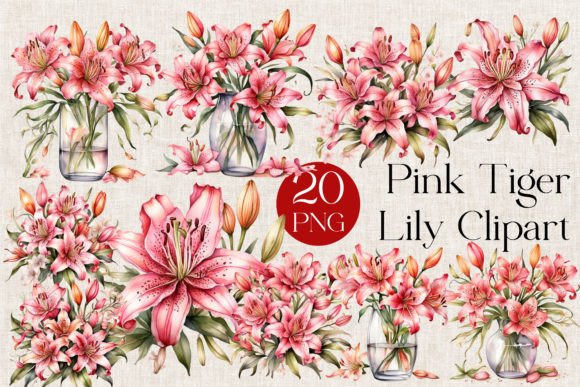
In the world of graphic design, finding the right visual asset is often more critical than selecting a premium font. While typography sets the tone, imagery provides the soul. If you are looking to inject organic elegance and a burst of color into your work, the 20 Pink Tiger Lily Clipart Illustrations set offers a distinct solution. This collection is not merely a set of random flowers; it is a curated library of hand-painted watercolor assets designed to bridge the gap between digital convenience and artistic authenticity.
The Aesthetic Appeal of Watercolor Realism
The defining characteristic of these 20 Pink Tiger Lily Clipart Illustrations is the watercolor medium. Unlike vectorized or flat-design graphics, watercolor brings a level of texture and depth that feels tactile. The pink hues range from soft, blush undertones to vibrant, deep magentas, capturing the natural gradient found in real tiger lilies. This style resonates particularly well when paired with serif fonts or script fonts, where the fluidity of the brushstrokes can mirror the elegant curves of the letterforms.
For designers working on brand identity, consistency is key. These illustrations are delivered as high-resolution PNGs (3500x3500 px) with transparent backgrounds. This technical specification is vital for logo design and packaging design. You can overlay these lilies onto various background colors without worrying about unsightly white borders. The high resolution ensures that whether you are using them for a massive billboard or a small favicon, the detail remains crisp, avoiding the pixelation that plagues lower-quality design assets.
Practical Applications: From Digital to Print
The versatility of this collection makes it a workhorse for various creative industries. Let’s break down how these assets function across different mediums:
- Editorial and Web Design: In editorial design, these illustrations serve as excellent spot graphics to break up large blocks of text. For web design, they can be used as hero images or section dividers. They add a touch of nature to lifestyle blogs or wellness websites without overwhelming the sans serif font typically used for body copy.
- Stationery and Invitations: The floral nature of the clipart makes them ideal for wedding stationery. Imagine a minimalist layout with a modern typography header in a clean display font, anchored by a large, watercolor tiger lily in the corner. This creates a visual hierarchy that draws the eye immediately to the essential details.
- Product Packaging: For small business owners creating product packaging, these lilies can transform a plain box into a boutique experience. They work exceptionally well for artisanal goods, cosmetics, or spring-themed seasonal products.
- Social Media Graphics: Content creators often struggle to keep their feeds visually engaging. These illustrations can be used to create cohesive templates for Instagram stories or Pinterest pins. When paired with a handwritten font or a creative font, they help establish a recognizable aesthetic that boosts audience engagement.
Integrating Clipart into Brand Strategy
A common mistake in marketing is treating imagery and typography as separate entities. To create a cohesive brand experience, the visual weight of your graphics must balance with your typeface. The 20 Pink Tiger Lily Clipart Illustrations carry a specific "personality"—they are vibrant, energetic, and slightly romantic. Therefore, they pair best with fonts that do not compete for attention.
For instance, if you are designing a logo for a florist or a spa, using the lily alongside a highly decorative script font might result in visual clutter. Instead, consider pairing the illustration with a geometric sans serif font. The clean lines of the text will allow the intricate details of the watercolor flower to shine. Conversely, if you are creating a vintage-style invitation, pairing the lilies with a classic serif font reinforces a sense of tradition and timelessness.
Strategic Considerations for Usage
When incorporating these assets into your workflow, consider the following practical advice to maximize their impact:
- Color Coordination: While the lilies are pink, the leaves and stems offer secondary colors (greens and yellows). Use an eyedropper tool to pull these secondary colors for your background accents or typography highlights. This creates a harmonious color palette that feels intentional rather than pasted on.
- Layering and Depth: Because these are PNGs with transparency, you can create depth by layering them. Place one lily behind a text box and another in front of it to create a 3D effect in your social media graphics or flyers.
- Commercial Licensing: A significant advantage of this set is the licensing. The assets are cleared for both personal and commercial use with no attribution required. For entrepreneurs and marketers, this removes the legal ambiguity often associated with stock imagery, allowing you to use them freely on products for sale.
Final Thoughts on Visual Assets
In an era of modern typography and minimalism, the organic nature of watercolor clipart offers a refreshing counterpoint. The 20 Pink Tiger Lily Clipart Illustrations are more than just decorations; they are tools for storytelling. Whether you are a crafter making scrapbook pages, a blogger designing headers, or a designer building a comprehensive brand kit, these illustrations provide the flexibility and quality needed to elevate your work. By thoughtfully integrating these vibrant assets with your chosen typography, you ensure your projects are not only seen but remembered.